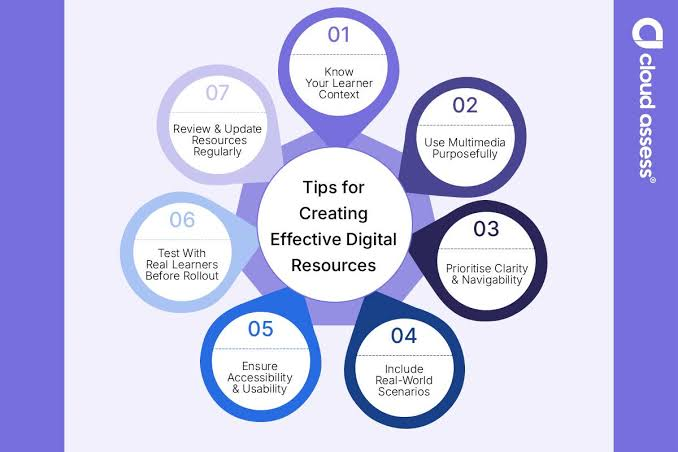

In today’s connected world, digital resources have become an essential part of learning, communication, business, and personal development. The internet provides countless opportunities to discover information, improve skills, and access useful tools from anywhere. However, with so many platforms and resources available, knowing how to explore them effectively is important. Whether you are searching for educational materials, professional tools, entertainment platforms, or online services, a thoughtful approach can help you find reliable and valuable resources. For users looking for additional online options, exploring platforms such as luxury138 alternatif can be part of understanding the wider digital environment and how different resources are organized.
Understanding the Importance of Digital Resources
Digital resources refer to online materials, platforms, applications, databases, and services that provide information or support different activities. These resources have transformed the way people work, study, and interact. Instead of depending only on traditional sources, individuals can now access articles, tutorials, courses, software, digital libraries, and communities with just a few clicks.
The value of digital resources comes from their accessibility and variety. Students can use online libraries and learning platforms to expand their knowledge. Professionals can access industry reports, collaboration tools, and training programs. Businesses can use digital solutions to improve productivity and connect with customers more effectively.
However, the large number of available resources can also create challenges. Not every website or platform provides accurate, secure, or useful information. This makes digital awareness and careful exploration important skills for everyone.
Developing Effective Online Research Skills
One of the most important abilities when exploring digital resources is knowing how to search efficiently. A simple search query may produce thousands of results, but only a small portion may truly meet your needs.
Using specific keywords can improve search results. Instead of searching for a broad topic, adding details can help locate more relevant information. For example, someone looking for business knowledge may search for detailed guides, professional reports, or expert analysis rather than general information.
It is also helpful to compare information from multiple sources. Reliable research often involves checking different perspectives and confirming important details. This approach reduces the risk of depending on inaccurate or outdated information.
Choosing Reliable Digital Platforms
The quality of a digital resource depends greatly on the reliability of the platform providing it. Before using any website, application, or online service, consider factors such as reputation, security, user experience, and transparency.
A trustworthy digital platform usually provides clear information about its purpose, services, and policies. It should also protect user data and offer a safe browsing experience. Checking reviews, researching background information, and understanding platform features can help users make better decisions.
Reliable resources often focus on providing value to users rather than simply attracting attention. A well-designed platform makes information easier to access, improves navigation, and creates a smoother digital experience.
Improving Digital Literacy
Digital literacy is the ability to use technology effectively and responsibly. It includes knowing how to find information, evaluate online content, protect personal data, and communicate through digital channels.
Strong digital literacy helps individuals avoid common online problems. For example, users with good digital skills are more likely to recognize unreliable information, suspicious links, and unsafe practices. They are also better prepared to use new technologies as they continue to develop.
Learning digital skills does not require advanced technical knowledge. Basic habits such as creating strong passwords, updating software, managing privacy settings, and checking sources can significantly improve online safety and confidence.
Exploring Educational Digital Resources
Education has experienced major changes because of digital technology. Online courses, virtual classrooms, educational videos, and digital libraries allow people to learn at their own pace.
Students can explore resources beyond traditional classrooms by accessing expert lectures, research materials, and interactive learning tools. Professionals can also continue improving their skills through online certifications and training programs.
When selecting educational resources, users should consider the quality of the content, the experience of instructors, and whether the material matches their learning goals. A structured learning approach can make online education more effective and rewarding.
Using Digital Resources for Professional Growth
Digital resources play a major role in career development. Professionals can use online platforms to learn new skills, follow industry trends, build networks, and discover opportunities.
Tools for communication, project management, data analysis, and creative work help individuals become more productive. Many industries now rely on digital solutions to improve efficiency and collaboration.
Keeping up with technological changes is important because digital skills are becoming valuable in almost every profession. Regularly exploring new resources can help individuals remain competitive and adaptable.
Protecting Yourself While Exploring Online Resources
Although digital resources provide many benefits, users should always consider online safety. The internet contains risks such as misinformation, privacy concerns, and security threats.
Using secure connections, avoiding suspicious downloads, and carefully reviewing permissions before installing applications are simple steps that improve protection. Users should also be cautious when sharing personal information online.
Privacy awareness is another important part of responsible digital exploration. Understanding how platforms collect and use data allows individuals to make informed choices about the services they use.
Managing Information Overload
A common challenge in the digital age is information overload. Because people have access to enormous amounts of content, it can become difficult to identify what is truly useful.
Creating organized methods for saving and reviewing information can help. Digital notes, bookmarks, and productivity tools allow users to manage valuable resources efficiently.
It is also important to focus on quality rather than quantity. Collecting too much information without applying it can reduce productivity. Selecting useful resources and using them effectively creates better results.
The Role of Technology in Future Digital Exploration
Technology continues to change the way people discover and use digital resources. Artificial intelligence, automation, and advanced search systems are making it easier to find relevant information quickly.
Future digital environments will likely become more personalized, helping users discover resources based on their interests and needs. However, human judgment will remain essential for evaluating information and making responsible choices.
As technology develops, the ability to adapt and learn will become increasingly important. People who understand how to explore digital resources effectively will be better prepared for future opportunities.
Creating a Balanced Digital Experience
A positive digital experience requires balance. While online resources provide convenience and knowledge, excessive use of technology can affect focus and productivity.
Setting boundaries, organizing digital activities, and choosing meaningful resources can help create a healthier relationship with technology. Users should focus on using digital tools as a way to support their goals rather than allowing technology to control their routines.
A balanced approach allows individuals to enjoy the advantages of digital resources while maintaining productivity and well-being.
Conclusion
Exploring digital resources effectively is an essential skill in the modern world. The internet offers endless possibilities for learning, communication, creativity, and professional development, but users must approach these opportunities with awareness and responsibility.
By improving research skills, choosing reliable platforms, protecting personal information, and developing digital literacy, individuals can make the most of online resources. Technology will continue to evolve, and those who learn how to navigate digital environments successfully will be better equipped to benefit from future innovations.
The key to successful digital exploration is not simply accessing more information but understanding how to find, evaluate, and use the right resources in meaningful ways.