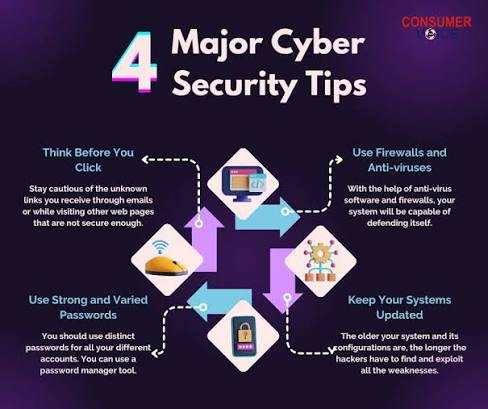
People interact with online content throughout the day, often without thinking about the security decisions involved. Visiting a new page, following a link, signing into an account, or downloading a document may feel routine, but each action deserves an appropriate level of attention. When users encounter a name such as DMFirst while browsing, a few practical precautions can help them research unfamiliar information more safely.
The goal is not to make internet use difficult. Instead, users can reduce common risks by recognizing when additional checking is appropriate.
Install Important Updates Promptly
Keeping software current is one of the easier ways to improve device security.
Browsers, operating systems, and applications may receive updates that correct known weaknesses. Ignoring these releases for long periods can leave users dependent on older protections.
Updates should be installed through legitimate software settings or other trusted sources.
Avoid Connecting Accounts Through Password Reuse
Using one password for several accounts can create an unnecessary security connection between them.
If that password becomes known through one service, it may be tested against others. Unique passwords help ensure that exposure of one credential does not automatically affect every account.
Important accounts should also use passwords that are difficult to predict.
Verify Names Instead of Simply Recognizing Them
Familiar words can make online communication appear trustworthy.
For example, an unexpected message could mention DMFirst without proving that its sender has any legitimate association with the name. Users should consider the source of the communication rather than relying only on recognizable wording.
Sender details and the reason for contact can provide useful context.
Take Your Time With Security Warnings
Urgent language should encourage more checking, not less.
Users may receive messages claiming that an account is at risk or that immediate verification is necessary. Responding too quickly can lead to missed warning signs.
Opening the relevant service independently can help users confirm whether a real issue exists.
Examine Links Before Following Them
Links can lead users away from the destination they expect.
Before opening an unfamiliar link, users should look for unusual domains, spelling differences, or addresses that do not match the expected service. This is particularly useful for links delivered through unsolicited messages.
When uncertainty remains, manually finding the intended website can be a safer option.
Treat New Downloads as a Security Decision
Downloading a file should never be completely automatic.
Users should know what they are receiving, who provided it, and why it is necessary. Unexpected applications, documents, or compressed files deserve additional caution.
Security warnings should be investigated rather than bypassed for convenience.
Protect the Accounts Used for Recovery
Many online services allow users to recover access through another account or method.
Because recovery options can provide significant control, they should receive strong protection. Users should secure recovery email accounts and keep backup information private.
Recovery details that are no longer valid should be updated.
Keep Temporary Codes Confidential
Verification codes can sometimes provide immediate approval for account access.
Users should not share these codes through email, chat, or phone simply because another person requests them. Codes should only be entered when the user understands the action being confirmed.
An unexpected code can also be a reason to review account security.
Review Permissions Instead of Automatically Accepting Them
Websites can request access to several browser and device features.
Notifications, location, camera, and microphone permissions should have a clear purpose. If a user is simply reading a page, some of these permissions may be unnecessary.
Declining a request is often reasonable when its purpose is unclear.
Strengthen Accounts That Matter Most
Some accounts deserve additional protection because they contain important information or control access to other services.
Multi-factor authentication can add another verification requirement beyond the password. This makes the password only one part of the login process.
Backup authentication methods should also remain protected.
Think About What You Enter Into Forms
Online forms can collect information quickly, which makes it easy to submit details without reviewing them.
Users should understand why personal information is requested and whether it is necessary for the service. Requests involving identity, financial, or account information deserve greater scrutiny.
Unclear requests can be investigated before anything sensitive is submitted.
Watch for Activity You Cannot Explain
Unexpected account behavior should be examined.
An unknown login, new connected device, password-reset attempt, or unexplained settings change may indicate that someone else has interacted with the account.
Users can review this information directly through the service’s security settings.
Log Out When Using Someone Else’s Device
A shared computer can retain account access after the user leaves.
Simply closing the webpage may not end the active session. Users should sign out properly and avoid saving passwords on devices they do not personally control.
Sensitive downloads should also be removed when appropriate.
Maintain Copies of Valuable Information
Online security includes protecting information from loss as well as unauthorized access.
Hardware problems, accidental deletion, or malicious software can make important files unavailable. Keeping a separate backup provides another recovery option.
Backups should be refreshed regularly to include recent information.
Pay Attention to Small Warning Signs
Security problems do not always begin with an obvious warning.
An unusual domain, unexpected file, unnecessary permission, or strange message can be enough reason to slow down and check. Users do not need to assume that every unusual detail is harmful, but they should avoid ignoring it automatically.
This awareness can improve naturally with regular browsing experience.
Final Thoughts
DMFirst can serve as a useful context for understanding why ordinary browsing habits matter to cybersecurity. Users can explore new information while still maintaining sensible boundaries around their accounts, devices, and personal data.
Current software, separate passwords, verified communication, careful downloads, protected authentication codes, controlled permissions, account monitoring, and regular backups can all contribute to stronger online security. Practicing these habits consistently can make safer browsing part of everyday internet use.