
Introduction
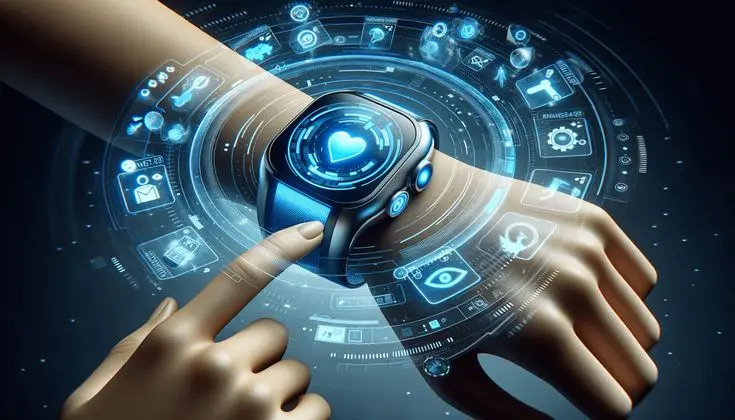
The future of wearable technology in everyday life is becoming more exciting with each passing year. Devices that once seemed like science fiction are now part of our daily routines. From smartwatches that track health to smart glasses that enhance vision, wearable technology is changing how we live, work, and connect with the world.
Today, people are looking for convenience, efficiency, and better health management. Wearable devices help meet these needs by offering real-time data and personalized insights. As a result, the future of wearable technology in everyday life is not just about gadgets; it is about improving lifestyles in meaningful ways.
Moreover, advancements in artificial intelligence, sensors, and connectivity are making these devices smarter and more reliable. Whether you are a beginner or someone already using wearable devices, understanding where this technology is heading can help you make better decisions.
What is Future of Wearable Technology in Everyday Life?
The future of wearable technology in everyday life refers to the next generation of smart devices that people can wear on their bodies. These devices are designed to collect data, provide insights, and improve daily activities.
Wearable technology includes items like:
- Smartwatches
- Fitness trackers
- Smart glasses
- Smart clothing
- Health monitoring devices
In the future, these devices will become more advanced, smaller, and more integrated into daily life. For example, instead of carrying a phone, you might rely entirely on a smartwatch or even a smart ring.
Additionally, future wearable devices will not just track steps or heart rate. They will monitor stress levels, detect diseases early, and even help with mental health.
Why is Future of Wearable Technology in Everyday Life Important?
The importance of the future of wearable technology in everyday life lies in its ability to improve quality of life. As people become more health-conscious and tech-savvy, wearable devices offer solutions that are both practical and powerful.
First, wearable technology helps individuals take control of their health. For example, real-time monitoring allows users to detect potential health issues early.
Second, it improves productivity. Many wearable devices provide reminders, notifications, and quick access to information, making daily tasks easier.
Third, safety is another key factor. Wearable devices can track location, send emergency alerts, and provide assistance in critical situations.
Furthermore, as workplaces evolve, wearable technology will play a major role in industries like healthcare, construction, and fitness.
Detailed Step-by-Step Guide
Step 1: Understand Your Needs
Before using wearable technology, identify your goals.
- Do you want to improve fitness?
- Are you focused on health monitoring?
- Do you need productivity tools?
Understanding your needs helps you choose the right device.
Step 2: Choose the Right Device
There are many wearable devices available, so choose wisely.
- Fitness trackers for exercise
- Smartwatches for all-in-one features
- Smart glasses for enhanced reality
Always consider features, battery life, and comfort.
Step 3: Set Up Your Device
After purchasing, set up your device properly.
- Install the companion app
- Connect it to your smartphone
- Customize settings
This step ensures you get accurate data and better performance.
Step 4: Track and Monitor Data
Wearable devices collect useful data.
- Heart rate
- Sleep patterns
- Physical activity
Regularly check this data to understand your habits.
Step 5: Use Insights to Improve Life
Data is only useful if you act on it.
- Improve sleep based on insights
- Increase activity levels
- Manage stress better
This is where the future of wearable technology in everyday life becomes truly valuable.
Step 6: Stay Updated
Technology evolves quickly.
- Update software regularly
- Explore new features
- Upgrade devices when needed
Staying updated ensures you benefit from the latest innovations.
Benefits of Future of Wearable Technology in Everyday Life
- Better Health Monitoring
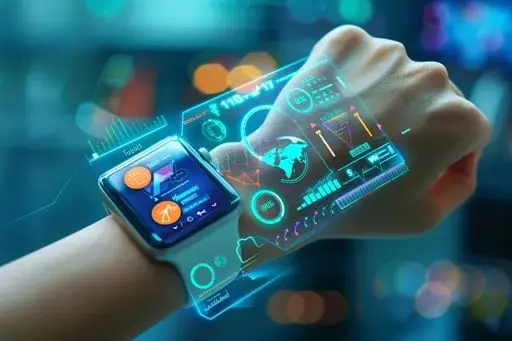
Wearable devices track vital signs and provide early warnings. - Improved Fitness Levels
Users can set goals and monitor progress easily. - Convenience
Quick access to notifications and information saves time. - Enhanced Safety
Emergency alerts and location tracking improve security. - Personalized Experience
Devices adapt to user preferences and habits. - Increased Productivity
Reminders and task management features help users stay organized. - Early Disease Detection
Advanced sensors can detect health issues before symptoms appear.
Disadvantages / Risks
- Privacy Concerns
Personal data may be at risk if not properly protected. - High Cost
Advanced devices can be expensive for many users. - Battery Limitations
Frequent charging can be inconvenient. - Overdependence on Technology
Relying too much on devices may reduce natural awareness. - Data Accuracy Issues
Some devices may not always provide precise readings. - Compatibility Problems
Not all devices work with every smartphone or system.
Common Mistakes to Avoid
Many users make simple mistakes when using wearable technology.
One common mistake is ignoring data insights. Collecting data without acting on it reduces the value of the device.
Another mistake is choosing a device without understanding personal needs. This can lead to dissatisfaction and wasted money.
Users also forget to update software regularly. Updates often include important improvements and security fixes.
Wearing the device incorrectly is another issue. This can affect data accuracy, especially for heart rate monitoring.
Lastly, many people overlook privacy settings. Always review and adjust these settings to protect personal information.
Avoiding these mistakes helps you make the most of the future of wearable technology in everyday life.
FAQs
1. What is the future of wearable technology in everyday life?
It refers to advanced devices that people can wear to improve health, productivity, and convenience in daily routines.
2. Are wearable devices safe to use?
Yes, most devices are safe. However, users should follow guidelines and protect their data through proper settings.
3. Can wearable technology replace smartphones?
In the future, some wearable devices may reduce the need for smartphones, but complete replacement is still evolving.
4. How accurate are wearable devices?
Accuracy depends on the device and how it is used. High-quality devices generally provide reliable data.
5. Is wearable technology expensive?
Prices vary. Basic devices are affordable, while advanced ones can be costly.
6. What industries benefit from wearable technology?
Healthcare, fitness, construction, and retail are some industries that benefit greatly from wearable technology.
Expert Tips & Bonus Points
To get the best results from wearable technology, follow these expert tips.
First, always choose a device that matches your lifestyle. A fitness enthusiast may need different features than a business professional.
Second, focus on long-term value rather than price alone. A slightly expensive device with better features may offer more benefits.
Third, regularly review your data. Understanding patterns can help you make better decisions about health and productivity.
Fourth, protect your data. Use strong passwords and enable security features.
Fifth, explore advanced features. Many users only use basic functions, missing out on the full potential of their devices.
Finally, stay informed about new trends. The future of wearable technology in everyday life is constantly evolving, and staying updated helps you stay ahead.
Conclusion
The future of wearable technology in everyday life is shaping a smarter and more connected world. These devices are no longer just accessories; they are becoming essential tools for health, productivity, and convenience.
As technology continues to advance, wearable devices will become more powerful and easier to use. They will provide deeper insights, better accuracy, and more personalized experiences. From monitoring health conditions to improving daily efficiency, the possibilities are endless.
However, it is also important to use these devices wisely. Understanding their benefits and risks helps you make better choices. By avoiding common mistakes and following expert tips, you can maximize the value of wearable technology.