
Introduction
In recent years, technology has changed the way we live in our homes. One of the biggest changes is how smart home devices are becoming more intelligent. From smart lights to voice assistants, these devices are now able to learn, adapt, and make decisions on their own. This makes daily life easier, safer, and more comfortable for people of all ages.
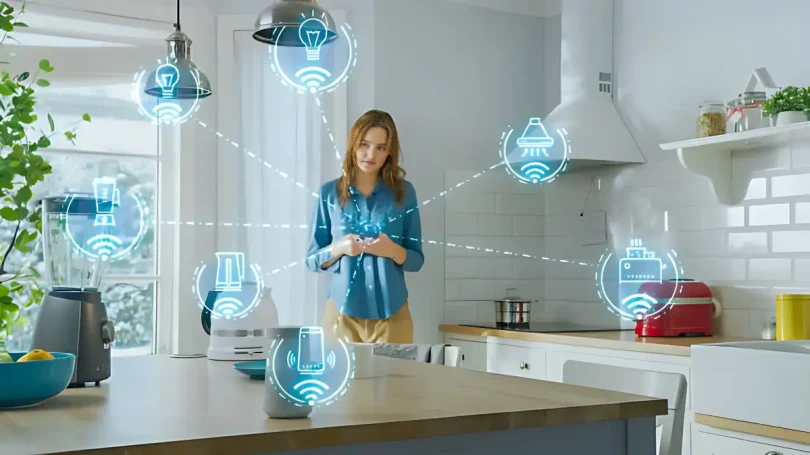
The idea of a connected home was once a dream, but today it is a reality. People can control lights, fans, security cameras, and even kitchen appliances with their phones or voice commands. What makes this even more impressive is how smart home devices are becoming more intelligent through artificial intelligence, machine learning, and advanced sensors. These technologies allow devices to understand user habits and improve over time.
As more people adopt smart homes, the demand for better automation is increasing. This is why companies are focusing on how smart home devices are becoming more intelligent every year. In this article, we will explore what this means, why it matters, and how it is changing modern living.
What is How Smart Home Devices Are Becoming More Intelligent?
How smart home devices are becoming more intelligent refers to the process where home automation systems learn from user behavior and improve their performance. Instead of just following simple commands, these devices now analyze patterns and make smart decisions.
For example, a smart thermostat can learn when you wake up and automatically adjust the temperature. Similarly, smart lights can turn on or off based on your daily routine. This shows how smart home devices are becoming more intelligent in practical ways.
The main technologies behind this transformation include Artificial Intelligence, Machine Learning, Internet of Things, and Voice Recognition Systems. Together, these technologies allow devices to communicate, learn, and respond in real time.
In addition, modern smart devices are now capable of edge computing, which means they can process data locally without always relying on the cloud. This reduces delays and improves response time significantly. This development further explains how smart home devices are becoming more intelligent and efficient in real-world usage.
This evolution also reflects the broader trend of digital transformation in everyday life, where physical environments are becoming deeply connected with digital intelligence systems.
Why is How Smart Home Devices Are Becoming More Intelligent Important?
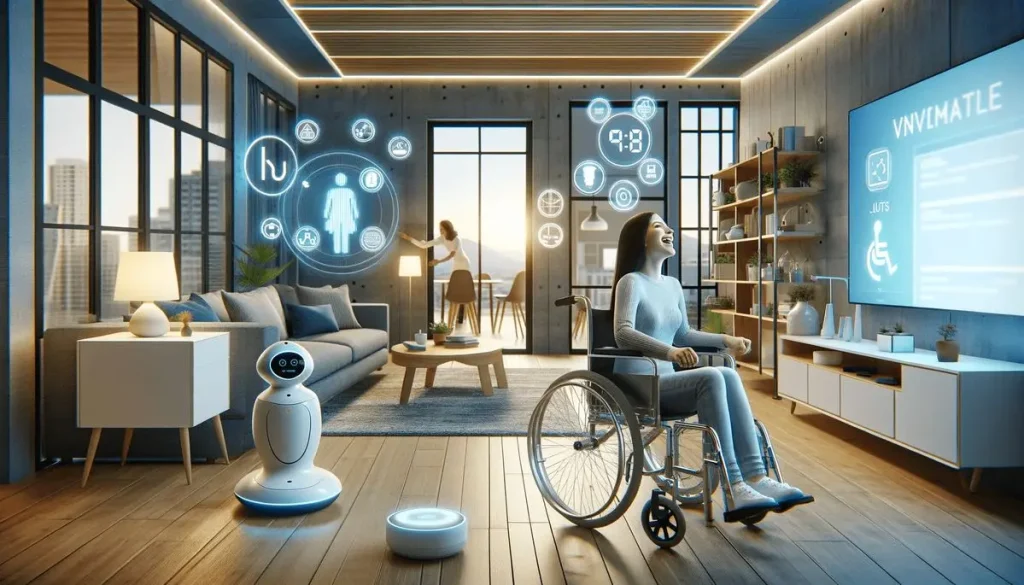
Understanding how smart home devices are becoming more intelligent is important because it directly affects comfort, safety, and energy use in modern homes.
Firstly, it improves convenience. People can control multiple devices using a single app or voice assistant. This saves time and effort in daily life.
Secondly, it enhances security. Smart cameras and alarms can detect unusual activity and alert homeowners instantly. This helps prevent accidents and theft.
Thirdly, it saves energy. Smart devices optimize electricity usage by turning off appliances when not needed. This reduces bills and supports environmental sustainability.
Finally, it improves accessibility for elderly people and those with disabilities.
Moreover, this technology is also important for future urban development. Smart homes are becoming a key part of smart cities where everything is interconnected. This highlights how smart home devices are becoming more intelligent and playing a role beyond individual households.
Detailed Step-by-Step Guide
Step 1: Understanding Smart Home Systems
Before learning how smart home devices are becoming more intelligent, it is important to understand basic systems like smart speakers, sensors, and hubs.
Step 2: Connecting Devices
Devices are connected through Wi-Fi or Bluetooth, allowing them to communicate with each other.
Step 3: Collecting Data
Smart devices collect data about user behavior such as lighting preferences and temperature settings.
Step 4: Using AI Algorithms
AI processes this data and identifies patterns to improve performance.
Step 5: Automation Setup
Once patterns are identified, devices automatically perform tasks without manual input.
Step 6: Continuous Learning
The system keeps learning and improving, making how smart home devices are becoming more intelligent an ongoing process.
Step 7: Cloud Integration
Cloud systems allow devices to store and analyze large amounts of data, helping improve accuracy in predictions and automation.
Step 8: Voice Assistant Training
Users interact with voice assistants like smart speakers, and over time, these systems improve voice recognition accuracy.
Step 9: Predictive Automation
Devices begin to predict user needs before commands are given, showing a higher level of intelligence.
Step 10: System Optimization
Manufacturers regularly release updates that optimize performance and fix bugs, improving how smart home devices are becoming more intelligent.
Step 11: Cross-Device Communication
Different devices communicate with each other to create a fully integrated home environment.
Step 12: Integration with Mobile Apps
Mobile applications now act as central control hubs, allowing users to manage all devices from a single interface.
Step 13: Learning User Preferences
Over time, systems store detailed user preferences to create a highly personalized home experience.
Step 14: Environmental Adaptation
Smart homes can now adjust settings based on weather conditions, daylight levels, and occupancy patterns.
Step 15: Data Security Enhancements
Developers are continuously improving encryption methods to protect user data and ensure safer communication between devices.
Step 16: AI Behavior Prediction
Advanced AI systems can now predict complex behaviors such as vacation schedules or long-term habits.
Step 17: Self-Healing Systems
Some smart systems can detect errors and fix minor issues automatically without human intervention.
Step 18: Energy Optimization Algorithms
Modern systems use advanced algorithms to reduce unnecessary energy consumption by analyzing usage patterns in detail.
Step 19: Integration with Renewable Energy
Smart homes can now connect with solar panels and other renewable sources for better energy management.
Step 20: Adaptive Learning Systems
These systems continuously evolve based on new data, improving automation accuracy over time.
Step 21: Real-Time Monitoring Systems
These systems continuously monitor home activity and provide instant alerts when unusual behavior is detected.
Step 22: AI Model Updates
Manufacturers frequently update AI models to improve accuracy and efficiency in smart decision-making.
Benefits of How Smart Home Devices Are Becoming More Intelligent
- Improved convenience in daily life
- Better home security systems
- Reduced energy consumption
- Enhanced comfort and automation
- Time-saving features for users
- Remote access from mobile devices
- Personalized user experience
- Improved lifestyle customization based on user habits
- Increased property value due to smart installations
- Improved home automation efficiency
- Better long-term cost savings through optimized energy use
Disadvantages / Risks
- Privacy concerns due to data collection
- High initial setup cost
- Dependence on internet connectivity
- Security risks from hacking
- Technical issues or device failures
- Learning curve for non-technical users
- Possible over-reliance on automation systems
Common Mistakes to Avoid
Many users make mistakes while adopting smart home technology. One common mistake is not securing their Wi-Fi network properly. Another mistake is buying too many devices without checking compatibility.
Users also often ignore software updates, which can lead to performance issues. It is important to regularly update devices and choose trusted brands for better reliability.
Another common mistake is ignoring privacy settings, which can expose personal data to risks.
FAQs
1. What are smart home devices?
Smart home devices are electronic systems that can be controlled remotely and often use AI to automate tasks.
2. How do smart home devices learn?
They learn by collecting data about user habits and using machine learning algorithms.
3. Are smart home devices safe?
Yes, but they must be properly secured with strong passwords and updated software.
4. Do smart home devices save energy?
Yes, they optimize usage and reduce unnecessary power consumption.
5. Can smart home devices work without internet?
Some basic functions may work offline, but most features require internet.
6. What is the future of smart home technology?
The future includes more advanced AI, better automation, and improved voice control.
7. Do smart home devices require maintenance?
Yes, they require updates and occasional troubleshooting to work efficiently.
8. Can smart home devices be hacked?
Yes, like any connected system, they can be vulnerable if not properly secured.
9. Are smart homes expensive?
Initial costs can be high, but they save money in the long run through energy efficiency.
10. What devices are most common in smart homes?
Common devices include smart lights, thermostats, cameras, and voice assistants.
11. Can smart homes work together across brands?
Yes, but compatibility depends on platforms like IoT standards and integrations.
12. Is installation difficult?
Basic devices are easy to install, but full systems may require professional setup.
13. Do smart homes increase electricity use?
No, they usually reduce energy consumption through optimization.
14. What skills are needed to use smart homes?
No technical skills are required; most systems are user-friendly.
15. How do smart home devices use artificial intelligence?
Smart home devices use artificial intelligence to analyze patterns in user behavior. For example, they observe when you usually wake up, what temperature you prefer, and how often you use certain appliances. Based on this data, they automatically adjust settings to match your lifestyle. This is a key reason how smart home devices are becoming more intelligent in modern households.
16. What role does machine learning play in smart homes?
Machine learning allows devices to improve over time without being explicitly programmed for every situation. Instead, they learn from experience. The more you use them, the better they understand your needs, which greatly enhances automation quality.
17. Are smart home devices suitable for small homes?
Yes, smart home systems are scalable. Even small apartments can benefit from smart lighting, plugs, and security systems. They do not require large spaces to function effectively.
18. How secure is data in smart home systems?
Data security depends on the manufacturer and user practices. Strong passwords, encryption, and regular updates help protect sensitive information. Without proper care, data could be vulnerable.
19. Will smart homes replace traditional homes completely?
Not completely. Instead, smart features will gradually become standard in most homes, blending traditional living with modern automation.
20. How affordable are smart home systems today?
Prices have become more affordable over time. Entry-level devices are budget-friendly, while advanced systems may still be expensive but offer long-term savings.
21. Can smart home devices work during power outages?
Most devices stop working during power cuts unless they have backup systems like batteries or UPS support.
22. What is the biggest advantage of smart homes?
The biggest advantage is convenience, as automation reduces manual effort and improves daily efficiency.
23. What future trends will shape smart homes?
Future trends include deeper AI integration, more autonomous systems, and better interoperability between devices from different brands.
24. How does cloud computing support smart homes?
Cloud computing allows smart devices to store and process large amounts of data, enabling better learning and faster updates.
25. Can smart home devices improve health?
Yes, some systems monitor air quality, sleep patterns, and temperature to create healthier living environments.
26. What industries benefit from smart home technology?
Industries like energy, security, healthcare, and construction benefit significantly from smart home innovations.
27. Are smart homes environmentally friendly?
Yes, they help reduce energy waste and encourage sustainable living practices.
Expert Tips & Bonus Points
Experts recommend starting with basic devices like smart bulbs or speakers before building a full system. This helps users understand how smart home devices are becoming more intelligent in real life.
It is also advised to use devices from the same ecosystem for better compatibility. Regular updates and secure passwords are essential for safety.
Experts also suggest using strong encryption methods for home networks to improve security. Additionally, regularly reviewing connected devices helps maintain control and improves how smart home devices are becoming more intelligent in a secure way.
Conclusion
The modern world is quickly changing, and homes are becoming smarter every day. Understanding how smart home devices are becoming more intelligent helps us see the future of living spaces. These devices are no longer just tools; they are becoming intelligent assistants that learn and adapt.
From saving energy to improving security, smart home technology offers many benefits. However, users must also be aware of risks like privacy and security concerns. With proper use, smart homes can greatly improve quality of life.
As innovation continues, how smart home devices are becoming more intelligent will play a major role in shaping future homes. People will enjoy more comfort, automation, and control than ever before, making daily living simpler and more efficient.