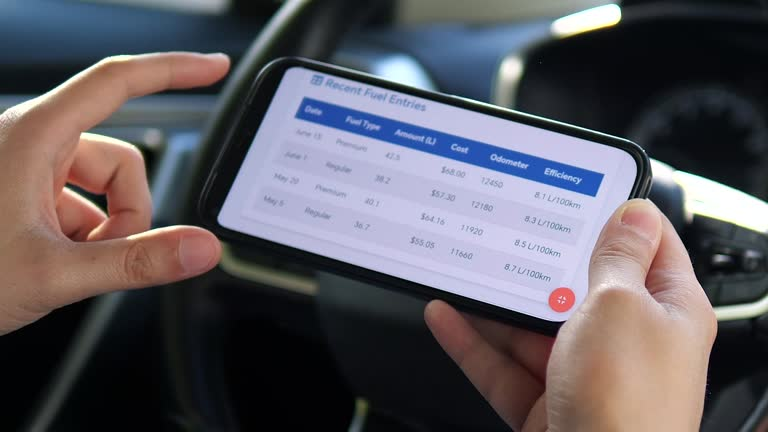

Keeping track of vehicle mileage can become difficult when you regularly travel for work, visit clients, attend meetings, or manage multiple business-related journeys. Manually recording every trip can take time and may lead to missing or inaccurate information. An app for tracking car mileage can make this process easier by helping users record journeys, organise mileage information, and manage travel records digitally.
However, not every mileage tracking solution offers the same features. Choosing the right option requires understanding which functions can genuinely simplify your daily routine. From automatic trip detection to accurate distance calculations and easy reporting, the right features can make mileage tracking more convenient and reliable.
Why Use an Auto Mileage Tracker App?
Traditional mileage tracking often involves notebooks, spreadsheets, receipts, or manually entering information after every journey. While these methods can work, they may become inconvenient when you travel frequently.
An auto mileage tracker app can help reduce repetitive administrative work by providing a central place to manage your driving records. Depending on the system, it may automatically detect trips, calculate distances, categorise journeys, and generate useful reports.
This can be particularly helpful for:
- Business owners
- Employees who travel for work
- Freelancers and contractors
- Sales professionals
- Field workers
- Self-employed drivers
- People who regularly claim business travel expenses
The main objective is to make mileage tracking easier without creating another complicated administrative task.
Automatic Trip Detection
One of the most useful features to look for is automatic trip detection. Instead of manually starting and stopping a mileage record every time you drive, an app with automatic tracking can detect when a journey begins and ends.
This can be particularly useful for people who make several trips throughout the day. Forgetting to start a manual record can result in incomplete mileage information, whereas automated detection can help capture journeys more consistently.
Before choosing an app, check how its automatic tracking works and whether you can review or edit trips after they have been recorded.
Accurate Mileage and Distance Tracking
Accuracy is one of the most important considerations when choosing a mileage tracking solution. The app should provide reliable information about the distance travelled during each journey.
Accurate distance records can make it easier to:
- Review business travel
- Prepare mileage reports
- Understand driving patterns
- Organise travel expenses
- Separate work and personal journeys
It is also useful to check whether the app allows you to correct mileage information when necessary. Even a good automated system may occasionally need user adjustments.
Business and Personal Trip Classification
Many drivers use the same vehicle for both business and personal travel. Therefore, the ability to classify trips can be extremely valuable.
A good system should make it simple to identify whether a journey is:
- Business-related
- Personal
- Commuting
- Other
Clear categorisation helps prevent business and personal mileage from becoming mixed together. It also makes it easier to review your records when preparing reports or analysing travel expenses.
Easy Trip Editing
Automatic tracking can save time, but you should still have control over your mileage records. Look for an app that allows you to edit individual trips when required.
For example, you may need to change:
- Trip purpose
- Business or personal classification
- Destination
- Distance
- Notes
- Journey details
An easy editing process gives you greater control without requiring you to recreate the entire record.
Simple Mileage Reports
A mileage tracking app should not only collect information but also make that information useful. Reporting features can help users review their mileage without manually sorting through individual journeys.
A good reporting system may allow you to view mileage by:
- Date range
- Vehicle
- Trip category
- Business purpose
- Employee
- Total distance
Clear reports can be especially useful for businesses that need to review employee travel or prepare regular expense records.
Expense Tracking Capabilities
Mileage is often only one part of business travel expenses. Depending on your journeys, you may also have parking fees, tolls, fuel expenses, or other travel-related costs.
Some mileage tracking solutions provide additional expense management features. Having mileage and related expenses organised in one place can reduce the amount of time spent switching between different records.
If travel expenses are an important part of your work, consider whether the app supports the types of information you regularly need to record.
Multiple Vehicle Support
If you drive more than one vehicle, multiple-vehicle support can be an important feature.
For example, you may use one vehicle for personal travel and another for business activities. A suitable app should allow you to keep these records separate and clearly identify which vehicle was used for each journey.
Businesses with several employees or vehicles may also need more advanced vehicle management capabilities.
User-Friendly Interface
A mileage tracking app should be easy to understand. If the interface is confusing, users may avoid recording journeys consistently, which defeats the purpose of having a digital tracking system.
Look for a simple interface where you can quickly:
- Start or review trips
- Categorise journeys
- Edit information
- Check mileage totals
- Generate reports
- Manage vehicle details
The fewer steps required to complete routine tasks, the easier it is to maintain accurate records.
Data Export and Sharing
Being able to export mileage information can be useful when you need to share records or transfer them into another system.
Depending on your requirements, you may want to export information for:
- Expense reporting
- Accounting
- Business administration
- Record keeping
- Employee reimbursement
Check which export formats and sharing options are available before choosing an app. This can prevent problems later when you need to use your mileage data outside the application.
Reliable Data Storage
Mileage records can contain valuable business and travel information, so reliable data storage should also be considered.
Look for a solution that provides appropriate account protection, secure data handling, and dependable access to your records. It is also worth understanding how your data is stored and whether records can be recovered if you change devices or lose access to your phone.
A mileage tracking system should make record keeping easier without creating unnecessary concerns about losing important information.
Battery and Performance Efficiency
Automatic mileage tracking can involve location services and background activity. Therefore, it is worth considering how an app affects your phone’s battery and overall performance.
An efficient application should perform its main tracking functions without unnecessarily consuming resources. Checking user feedback about performance can help you understand whether the app works effectively during everyday use.
Customisation Options
Different users have different mileage tracking requirements. Customisation can therefore be a useful feature.
For example, you may want to create specific categories for different types of business journeys or add notes to individual trips.
Customisation can help make the tracking process more relevant to your working routine rather than forcing you to use a rigid system.
Pricing and Overall Value
Cost is another important factor when selecting an auto mileage tracker app. Some solutions may offer basic mileage tracking at little or no cost, while more advanced features may require a subscription.
Instead of choosing an app based only on price, consider the overall value it provides.
Ask yourself:
- Does it save enough time to justify the cost?
- Does it provide the reports you need?
- Can it handle your typical number of journeys?
- Does it support multiple vehicles or users if required?
- Are important features restricted to a paid plan?
The cheapest option is not always the most practical, particularly if it lacks features that you use regularly.
How to Choose the Right App for Your Needs
The best mileage tracking solution depends on how you travel and what you need to accomplish with your records.
A person who makes occasional business journeys may only need automatic tracking and basic reporting. A growing business with several employees may require more advanced features, including multiple vehicles, detailed reports, expense management, and data sharing.
Before making a decision, consider your current requirements as well as your future needs. Choosing a solution that can adapt as your travel activity grows can prevent you from having to change systems later.
Final Thoughts
Choosing an auto mileage tracker app becomes easier when you know which features matter most. Automatic trip detection, accurate distance tracking, journey classification, easy editing, reporting, expense management, and secure data storage can all contribute to a more convenient mileage tracking experience.
The right solution should reduce administrative work rather than add to it. By comparing features, usability, reporting capabilities, pricing, and flexibility, you can choose a mileage tracking system that fits naturally into your daily driving routine.
Whether you travel occasionally for business or spend much of your working week on the road, a well-designed mileage tracking app can make it easier to maintain organised and reliable travel records.