
Introduction
In today’s digital world, our smartphones hold almost everything important in our lives. From photos and videos to contacts, documents, and personal messages, losing this data can feel devastating. That is why learning how to backup your phone data safely to the cloud is no longer optional it is essential.
Many people think backing up data is complicated or time-consuming. However, the truth is that modern cloud services have made it easier than ever. With just a few taps, you can secure your data and protect it from unexpected loss. Whether your phone gets lost, damaged, or stolen, a proper cloud backup ensures your information stays safe.
In this guide, you will learn how to backup your phone data safely to the cloud in simple and clear steps. We will cover everything from basic concepts to advanced tips, making it perfect for both beginners and intermediate users. By the end, you will feel confident about protecting your data without stress.
What is How to Backup Your Phone Data Safely to the Cloud?
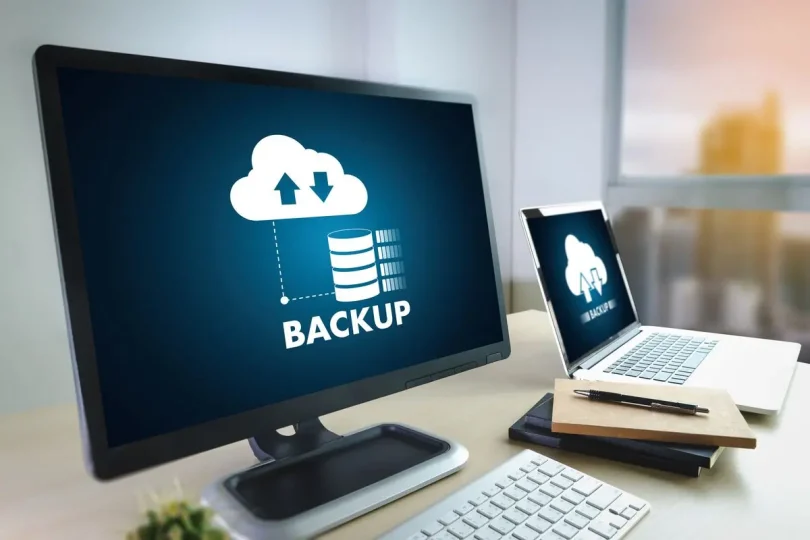
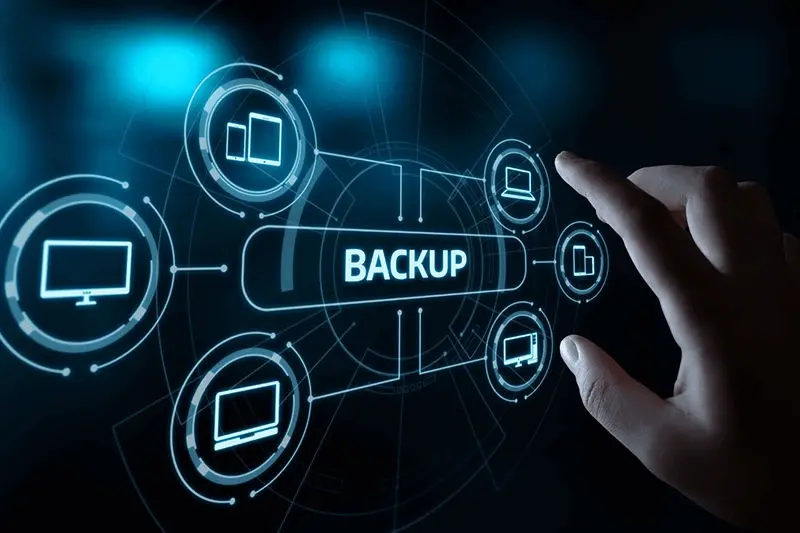
Backing up your phone data to the cloud means storing a copy of your important files on an online server instead of just keeping them on your device. This process ensures that your data remains safe even if something happens to your phone.
When you learn how to backup your phone data safely to the cloud, you are essentially creating a secure duplicate of your files. These files can include:
- Photos and videos
- Contacts and call logs
- Messages and chat history
- Apps and app data
- Documents and files
Cloud storage services automatically sync your data over the internet. This means your information is updated regularly without manual effort. Popular cloud platforms also use encryption, which keeps your data protected from unauthorized access.
In simple terms, cloud backup acts like a digital safety locker for your phone data.
Why is How to Backup Your Phone Data Safely to the Cloud Important?
Understanding how to backup your phone data safely to the cloud is crucial for several reasons. Without a backup, losing your phone could mean losing everything stored on it.
Here are some key reasons why it matters:
First, accidents happen all the time. Phones can break, get stolen, or stop working suddenly. Without a backup, your data may be gone forever.
Second, cloud backups make switching devices easier. When you get a new phone, you can quickly restore all your data without starting from scratch.
Third, it protects against cyber threats. If your phone is attacked by malware or hacked, your cloud backup remains safe.
Additionally, it saves time and effort. Instead of manually saving files, automatic backups handle everything for you.
Finally, cloud storage offers accessibility. You can access your data anytime and from anywhere using an internet connection.
Detailed Step-by-Step Guide
Step 1: Choose a Reliable Cloud Service
Start by selecting a trusted cloud storage provider. Most smartphones come with built-in options. Choose one that offers:
- Strong security features
- Automatic backup options
- Enough storage space
- Easy accessibility
Make sure to review privacy settings before using the service.
Step 2: Connect to a Secure Internet Network
Before starting the backup process, connect your phone to a secure Wi-Fi network. This helps in:
- Faster data upload
- Avoiding mobile data charges
- Ensuring stable connection
Avoid using public Wi-Fi when backing up sensitive data.
Step 3: Enable Cloud Backup Settings
Go to your phone’s settings and find the backup option. Turn on cloud backup and select what data you want to save.
Common options include:
- Photos and videos
- Contacts
- App data
- Messages
This step is essential when learning how to backup your phone data safely to the cloud.
Step 4: Schedule Automatic Backups
Automatic backups ensure your data stays updated without manual effort. Set a schedule such as:
- Daily backups
- Weekly backups
- Backup when connected to Wi-Fi
This feature saves time and ensures consistency.
Step 5: Encrypt Your Data
Security should always be a priority. Enable encryption to protect your files from unauthorized access.
Most cloud services offer built-in encryption, but you should:
- Use strong passwords
- Enable two-factor authentication
- Avoid sharing login details
Step 6: Verify Your Backup
After completing the backup, always check if your data has been successfully uploaded.
You can do this by:
- Logging into your cloud account
- Checking file availability
- Confirming backup date and time
Verification is a key part of how to backup your phone data safely to the cloud.
Step 7: Test Data Restoration
Finally, test restoring your data on another device or after resetting your phone. This ensures your backup works properly.
Benefits of How to Backup Your Phone Data Safely to the Cloud
- Protects data from loss or damage
- Allows easy access from multiple devices
- Saves time with automatic backups
- Provides secure storage with encryption
- Makes device switching simple
- Keeps files organized and up-to-date
- Reduces stress during emergencies
Disadvantages / Risks
- Requires internet connection
- Limited free storage space
- Possible subscription costs
- Risk of weak passwords
- Data privacy concerns if not secured
- Backup failure due to technical issues
Common Mistakes to Avoid
Many users make simple mistakes when learning how to backup your phone data safely to the cloud. Avoid these to ensure maximum safety:
One common mistake is not enabling automatic backups. This leads to outdated data.
Another mistake is ignoring security settings. Weak passwords can expose your data.
People also forget to verify backups. Without checking, you may assume data is safe when it is not.
Using public Wi-Fi for backups is risky as it can expose your information.
Lastly, relying on a single backup method is not ideal. Consider having an additional backup for extra safety.
FAQs
1. How often should I backup my phone data?
You should backup your phone data regularly. Daily or weekly backups are recommended, especially if you frequently update your files.
2. Is cloud backup safe?
Yes, cloud backup is safe if you use strong passwords, enable encryption, and choose a trusted service provider.
3. Can I backup my phone without Wi-Fi?
Yes, but it is not recommended. Using mobile data can be slow and costly. Wi-Fi is the better option.
4. What data should I backup?
You should backup important data such as photos, contacts, messages, documents, and app data.
5. How long does a backup take?
The time depends on the size of your data and internet speed. Small backups may take minutes, while larger ones can take longer.
6. Can I restore my data on a new phone?
Yes, cloud backups make it easy to restore your data on a new device during setup.
7. What happens if I stop using a cloud service?
Your data may be deleted after a certain period. Always download important files before closing your account.
Expert Tips & Bonus Points
To master how to backup your phone data safely to the cloud, follow these expert tips:
Always keep your apps updated to ensure compatibility with cloud services.
Use multiple backup options for extra security. For example, combine cloud backup with local storage.
Regularly review your backup settings to ensure everything important is included.
Clean up unnecessary files before backup to save storage space.
Monitor your storage usage and upgrade if needed.
Enable notifications to stay informed about backup status.
Lastly, stay aware of security updates and follow best practices to keep your data protected.
Conclusion
Learning how to backup your phone data safely to the cloud is one of the smartest decisions you can make in today’s digital age. Your phone holds valuable memories and important information that deserve proper protection.
By following the simple steps shared in this guide, you can easily secure your data without any technical difficulty. From choosing the right cloud service to enabling automatic backups and ensuring strong security, each step plays a vital role.
Moreover, understanding the benefits and risks helps you make better decisions and avoid common mistakes. With regular backups, you gain peace of mind knowing your data is safe no matter what happens to your device.