

Introduction
In today’s digital world, a stable internet connection is very important for work, study, entertainment, and communication. However, many people often struggle with slow speeds, weak signals, or frequent disconnections. Learning how to fix common WiFi connection problems at home can save time, reduce frustration, and improve your daily online experience.
Most WiFi issues are not as complicated as they seem. In fact, many problems can be solved with simple troubleshooting steps like restarting the router, adjusting placement, or checking connected devices. Whether you are working from home or streaming your favorite shows, a strong and stable connection is essential.
Understanding how to fix common WiFi connection problems at home helps you quickly identify the cause of the issue and apply the right solution. Sometimes the problem is with your internet service provider, while other times it is your router, device, or even physical obstacles in your home.
What is How to Fix Common WiFi Connection Problems at Home?
How to fix common WiFi connection problems at home refers to the process of identifying, troubleshooting, and solving issues that affect your wireless internet connection in a household environment.
These problems can include:
- Slow internet speed
- Weak or unstable WiFi signals
- Devices not connecting to the network
- Frequent disconnections
- Limited internet coverage in certain rooms
WiFi works by sending signals from a router to your devices such as phones, laptops, and smart TVs. When something interferes with this signal, connection issues start appearing. These issues may be caused by distance, interference, outdated equipment, or too many connected devices.
Learning how to fix common WiFi connection problems at home means understanding both the technical and simple everyday causes behind these disruptions. Once you identify the reason, solving the issue becomes much easier and faster.
Why is How to Fix Common WiFi Connection Problems at Home Important?
Knowing how to fix common WiFi connection problems at home is important for several reasons. In modern life, almost everything depends on the internet.
Key reasons include:
- Smooth online work and remote jobs
- Better online learning experience
- Uninterrupted video streaming and gaming
- Stable video calls and meetings
- Faster access to online services
Without a stable WiFi connection, productivity can decrease and frustration can increase. Small issues like router misplacement or network overload can significantly affect performance.
By learning how to fix common WiFi connection problems at home, you become more independent and do not always need technical support. This saves both time and money.
Detailed Step-by-Step Guide
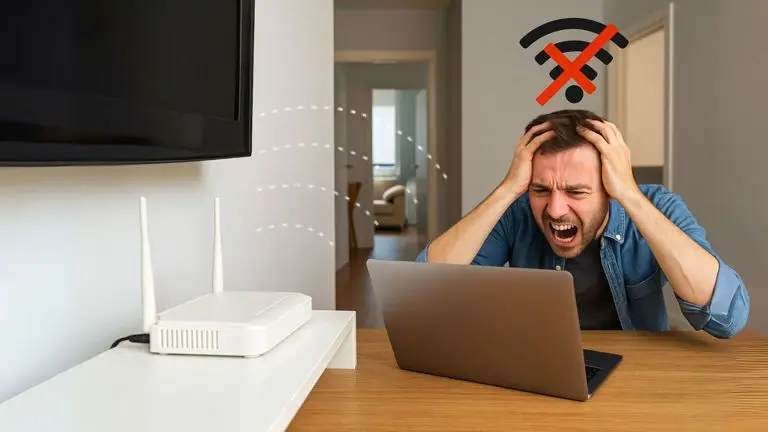
1. Restart Your Router and Devices
One of the simplest solutions in how to fix common WiFi connection problems at home is restarting your router.
Steps:
- Turn off your router
- Wait for 30–60 seconds
- Turn it back on
- Restart your phone or computer
This clears temporary glitches and refreshes the connection.
2. Check Internet Service Status
Sometimes the issue is not in your home network.
Check:
- Service outages in your area
- ISP maintenance updates
- Billing or account issues
If your provider has a problem, you may need to wait for it to be fixed.
3. Move Your Router to a Better Location
Router placement plays a big role in WiFi strength.
Tips:
- Place router in a central location
- Keep it away from walls and metal objects
- Avoid placing near microwaves or cordless phones
Proper placement is a key part of how to fix common WiFi connection problems at home.
4. Reduce Connected Devices
Too many devices can slow down your network.
Try:
- Disconnect unused devices
- Limit background downloads
- Pause automatic updates temporarily
This improves speed and stability.
5. Update Router Firmware
Outdated firmware can cause performance issues.
Steps:
- Log in to router settings
- Check for updates
- Install latest firmware
This improves security and performance.
6. Change WiFi Channel
Interference from nearby networks can affect speed.
Solution:
- Access router settings
- Switch to less crowded channel
- Test different channels for best performance
7. Use WiFi Extender
If your home is large, signals may not reach all areas.
Options:
- WiFi range extenders
- Mesh WiFi systems
These help improve coverage and eliminate dead zones.
Benefits of How to Fix Common WiFi Connection Problems at Home
- Faster and more stable internet connection
- Reduced buffering during streaming
- Better online gaming experience
- Improved work and study productivity
- Saves money on technical support
- Increases device performance
Disadvantages / Risks
- Incorrect settings may worsen the issue
- Router changes can temporarily disconnect internet
- Advanced settings may confuse beginners
- Overuse of extenders may reduce speed
- ISP issues cannot be fixed at home
Common Mistakes to Avoid
- Ignoring router placement
- Not restarting router regularly
- Using outdated equipment
- Overloading network with too many devices
- Not updating firmware
- Using weak WiFi passwords
Avoiding these mistakes is essential in how to fix common WiFi connection problems at home effectively.
FAQs
1. Why is my WiFi slow at home?
Slow WiFi can be caused by weak signals, too many devices, or ISP issues.
2. How often should I restart my router?
Restarting once a week helps maintain stable performance.
3. Can walls affect WiFi signal?
Yes, thick walls and metal objects can reduce signal strength.
4. What is the best place for a WiFi router?
A central, open location is best for even coverage.
5. Why does my WiFi keep disconnecting?
It may be due to interference, outdated firmware, or network overload.
6. Do WiFi extenders really help?
Yes, they improve coverage in large homes but may slightly reduce speed.
Expert Tips & Bonus Points
Experts recommend the following for better results in how to fix common WiFi connection problems at home:
- Use dual-band routers for better performance
- Keep router away from electronic interference
- Regularly monitor connected devices
- Set strong and secure WiFi passwords
- Consider upgrading old routers every 3–5 years
- Use Ethernet cable for important devices
These small improvements can make a big difference in your internet experience.
Conclusion
Understanding how to fix common WiFi connection problems at home is essential for anyone who uses the internet daily. With simple troubleshooting steps, you can solve most issues without needing professional help.
From restarting your router to optimizing its placement, small changes can significantly improve your connection quality. Many WiFi problems are caused by simple issues like interference, outdated equipment, or overloaded networks.
By following the methods explained in this guide, you can enjoy faster, more stable, and more reliable internet at home. Whether you are working, studying, or relaxing, a strong connection makes everything easier and more enjoyable.